
Control Your Weight - Health tips


In our eat-and-run, massive-portion-sized culture, maintaining a healthy weight can be tough—and losing weight, even tougher. If you’ve tried and failed to lose weight before, you may believe that diets don’t work for you. You’re probably right: traditional diets don’t work—at least not in the long term. However, there are plenty of small but powerful ways to avoid common dieting pitfalls, achieve lasting weight loss success, and develop a healthier relationship with food.


Tips for Controlling Your Weight


DRINK PLENTY OF WATER:
Try to drink between 6 and 8 glasses every day.


THINK NUTRITION:
Choose foods that are high in nutritional value and low in fat and calories (i.e., vegetables, fruit and low-fat dairy products).


KEEP A FOOD DIARY:
Write down all the food and beverages you consume for one week. Note the circumstances and time of day (mealtime, watching TV, while upset, etc.)


SET REALISTIC GOALS:
Remember you put the weight on one day at a time, and that is how it will come off. Two pounds is the maximum you should lose in one week.


CUT DOWN ON PORTIONS:
Reduce the amount of food you put on your plate. Use a smaller plate. Eat slowly. Stop eating before you feel full.


READ LABELS:
Fresh foods are a better choice for controlling the fat in your diet.


CHANGE HABITS, DON'T JUST DIET:
Use a sensible, safe approach to weight control. For long-term results, concentrate on making gradual changes in your eating habits.


COOKING METHODS:
How you cook is as important as what you cook. Broiling, baking, roasting and stewing are the best methods. Avoid frying.


EAT BALANCED MEALS:
Plan your meals to include foods high in complex carbohydrates (fruits, vegetables, grains and starches). Reduce the fat in your diet to below 30% per day.


INCREASE YOUR EXERCISE:
This will burn extra calories by increasing your metabolic rate. It will also help decrease your appetite.


REMOVE TEMPTATIONS:
Don't buy high-calorie snacks. Throw out all candy, nuts, ice cream and junk food.
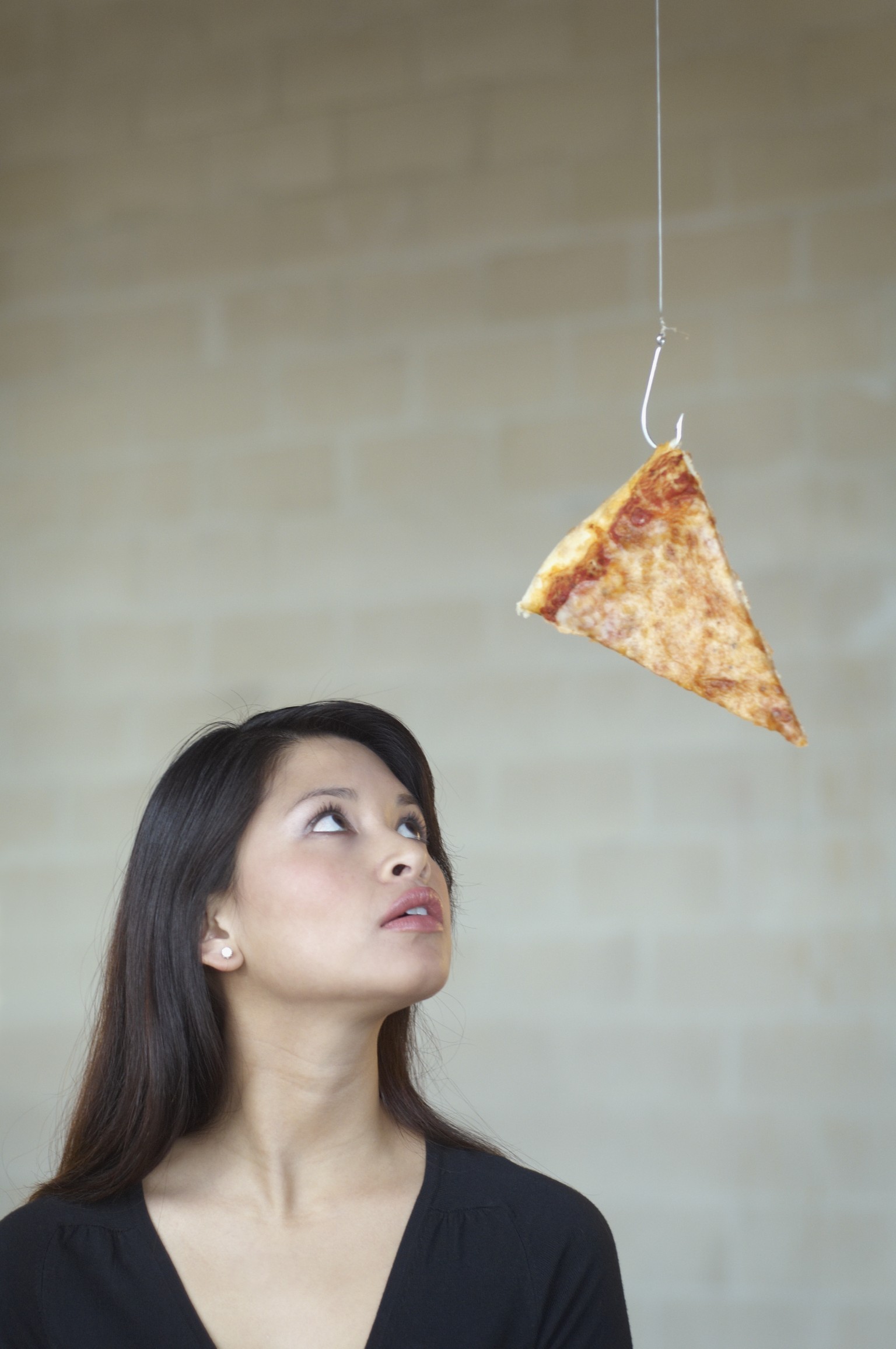


MAKE SMARTER CHOICES:
Stay away from fast foods. Include plenty of wholesome, nutritious foods.


CUT DOWN ON ALCOHOL:
Eliminate empty calories. Substitute water or low-calorie beverages.


DIFFICULT SITUATIONS:
Eat something before parties and other get-together.  Avoid nibbling.


HEALTH CONSEQUENCES:
A lifestyle that promotes excess weight is a lifestyle with added health risks.


SUBSTITUTION:
The key to successful weight control is replacing unhealthy foods with wholesome, nutritious foods.


JOIN A GROUP:
Look for one offering nutritional education, behavior modification techniques and emotional support.


GROCERY SHOPPING:
Make a list and stick to it. Stay away from the snack aisles.


DETERMINE YOUR HEALTHY WEIGHT:
Have a body composition test. Learn how much of your weight is fat and how much is lean muscle mass.


STILL NEED HELP?
For additional information, ask a dietitian or health care provider.


Comments

Popular posts from this blog

Vaginal spotting or bleeding in pregnancy - What to do?

Spotting is a common concern that many pregnant women face.  Approximately 20% of women report they experience spotting during their first 12 weeks of pregnancy. Bleeding that occurs early on in pregnancy is usually lighter in flow than a menstrual period. Also, the color often varies from red to brown. (Read more:  6 Very Early Pregnancy symptoms ) Although it is easy to be concerned, don’t panic. The majority of women who experiencing spotting during pregnancy go on to have a healthy pregnancy and baby. How can you tell the difference between Spotting and Bleeding? If what you see is brown or pink, similar to what you see at the end of your period, that’s spotting. If it’s bright red, consider it bleeding. The amount of blood you see is another red flag: Spotting doesn't soak a sanitary napkin; bleeding may. Cause of light bleeding in pregnancy In early pregnancy, spotting and light bleeding is often harmless. It usually happens at about the ...

How to Apply Blush According to Your Face Shape

All of us look different and that is what makes each one of us have a unique look. We have numerous face shapes which determines if it is oval, round, oblong, etc. Now, when it comes to having the perfect blush, the technique differs from one face shape to the other. We have listed down the possible face shapes, and the ways you need to pull those strokes for applying the blush. You do not need to a professional makeup artist and this would be easy for self-help. How to Apply Blush According to Your Face Shape Square Shaped Face When applying blush to a square shaped face, you’ll want to apply it to the apples of your cheeks, towards the outer corners of your eyes. This will give your square face an elongation to your profile. When applying blush to square shaped faces, make sure the blush is concentrated on the upper part of the cheeks. (read more: Haircuts according to face shape ) (read more: Dresses according to your body shape ) Round Shaped Face ...

Side Effects of Lemon and Lemon Juice

Lemon is a plant. The fruit, juice, and peel are used to make medicine. Lemon is used to treat scurvy, a condition caused by not having enough vitamin C. Lemon is also used for the common cold and flu, H1N1 (swine) flu, ringing in the ears (tinnitus), Meniere's disease, weight loss and kidney stones. It is also used to aid digestion, reduce pain and swelling (inflammation), improve the function of blood vessels, and increase urination to reduce fluid retention. In foods, lemon is used as a food and flavoring ingredient. Drinking lemon with water is a common approach taken during detoxification diets or as part of weight loss plans. Lemon with water contains nutrients your body needs such as vitamin C, potassium and fiber. However, this beverage may also cause side effects if you drink too much of it. Consult your doctor before drinking lemon water for medical reasons. Side Effects of Lemon and Lemon Juice      1.     Tooth ...