If you ask what is the single most important key to
longevity, I would have to say it is avoiding worry, stress and tension. And if
you didn’t ask me, I’d still have to say it. Stress is a major
problem for many people — a hectic, stressful job, a chaotic home life, bills
to worry about, and bad habits such as unhealthy eating, drinking and smoking
can lead to a mountain of stress.
If your life is full of stress, like mine once was,
there are some simple things you can do to get your life to a more manageable
level. Now, your life will probably never be stress-free — I don’t think that’s
even desirable, even if it is possible, because stress is something that
challenges us and helps us grow. At a reasonable level. But when stress gets
too high, it causes us to be unhappy and unhealthy.

Many people do not act positively to reduce the
stress in their lives until physical symptoms force them to consider how their
lifestyle is affecting their well-being.
Don't leave stress unchecked or wait until it makes
you ill. Learn to recognize when you are stressed and take steps to minimize
stress and avoid additional stress. There many things you can do to help
alleviate stress in your life, learning to relax and incorporating time to
relax as part of your daily routine can help you to manage the symptoms of
stress.
Reduce
caffeine:
Caffeine, in the form of coffee, tea or cola, is the
fuel of the American workplace. But it has its downsides. It can make you more
anxious or disrupt your sleep. Duke University researchers found that caffeine
consumption increased production of stress hormones and elevated blood pressure
in the workplace, both when the subjects were resting and when they were
stressed. To avoid a caffeine withdrawal headache, cut back slowly rather than
going cold turkey.
But what about chocolate? Interesting research conducted
by Nestles demonstrated that eating small amounts of dark chocolate (40 grams)
each day may help the metabolic response in stressed-out people. Chocoholics
rejoice!
Diet:
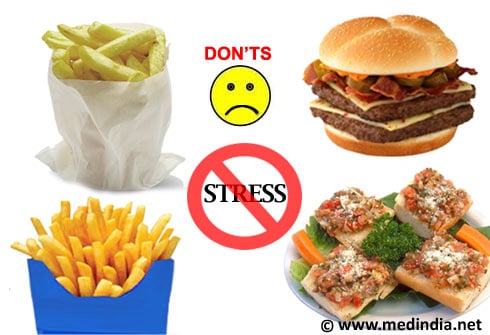
A healthy, balanced diet with plenty of fresh fruits
and vegetables keeps stress at bay. Foods containing vitamins such as B
complex, C and E and minerals like zinc and selenium help to reduce stress
according to research. Avoid canned or processed foods that often contain
harmful chemicals. Reduce refined carbohydrates and sugar because they cause
blood sugar to increase and then fall quickly leading to a feeling of being
drained. Complex carbohydrates, like whole wheat and brown rice, keep blood
sugar steady and increase serotonin, a neurotransmitter that has a relaxing
effect.
How you eat is as important as what you eat. Almost
half of the young generation in the 2009 APA study on stress reported that they overeat
or eat junk food due to stress. Pay attention to your food to avoid indigestion
- don’t watch TV, read or drive.
Exercise:
Everyone knows that they need to exercise more, but
do they know why? You may have heard of endorphins being secreted during
exercise giving you that “runner’s high.” Scientists have discovered that the
process is more complicated than that. Regular exercise helps to decrease the
production of stress hormones, such as cortisol, and neurotransmitters that are
secreted during the stress response. So exercise helps to reduce the damage
that long term stress can have on the body.
Research has also discovered that exercise decreases
depression, lowers anxiety and helps people sleep. When exercising, all of the
body’s systems – cardiovascular, muscular, nervous system, etc. – have to
communicate with each other more closely than usual. Thus, a workout makes the
body more efficient and enhances the body’s ability to respond to stress.
Meditation:
Many doctors recommend meditation as a way to reduce
stress. After meditation, people feel more refreshed and alert. Many report
that problems no longer loom so large. The Transcendental Meditation technique,
the most effective meditation known for reducing anxiety, provides very deep
rest in less than 20 minutes. This deep rest dissolves deep-rooted stress and
fatigue. Numerous research studies demonstrate the stress-reducing benefits of
the TM technique, for example, breast cancer patients experienced better mental
and emotional health and meditating college students felt less stressed.

Get
enough rest:
Rest is the body’s natural means to dissolve stress
and fatigue. When we are rested, we feel calmer and better able to deal with
problems that arise. Research has linked sleep deprivation with poor
performance and dullness during the day. Missing just 1.5 hours of sleep in one
night can decrease alertness by about 33%.
To help you sleep better, avoid intense activity
right before bed such as working or watching a violent movie. Eat lighter in the
evening and avoid caffeine after 6 pm. And get enough exercise during the day
so you are ready for bed.
Keep
hydrated:
Drinking at least eight full glasses of water a day
helps a lot! It washes out unwanted toxins in the body which contribute to
stress and acne. Drink the water as the day goes by, not all at once.

Don’t
think negative:
Keep negative thoughts out please! If you lack
confidence it makes it worse, so always have a handful of confident thoughts
with you ready and armed!
Clean
healthy life:
Have a clean healthy life style. Keep your room
clean and make your bed each morning when you wake up. Clean your sheets every
four weeks and shower every day.

Wash your face as soon as you wake up in the
morning. Don't leave clothes on your floor and try to keep your floors clear.
Keep your drawers organized. Even try practicing, feng shui. I've tried it and
it's made a great significant difference in my stress.
Comments
Post a Comment